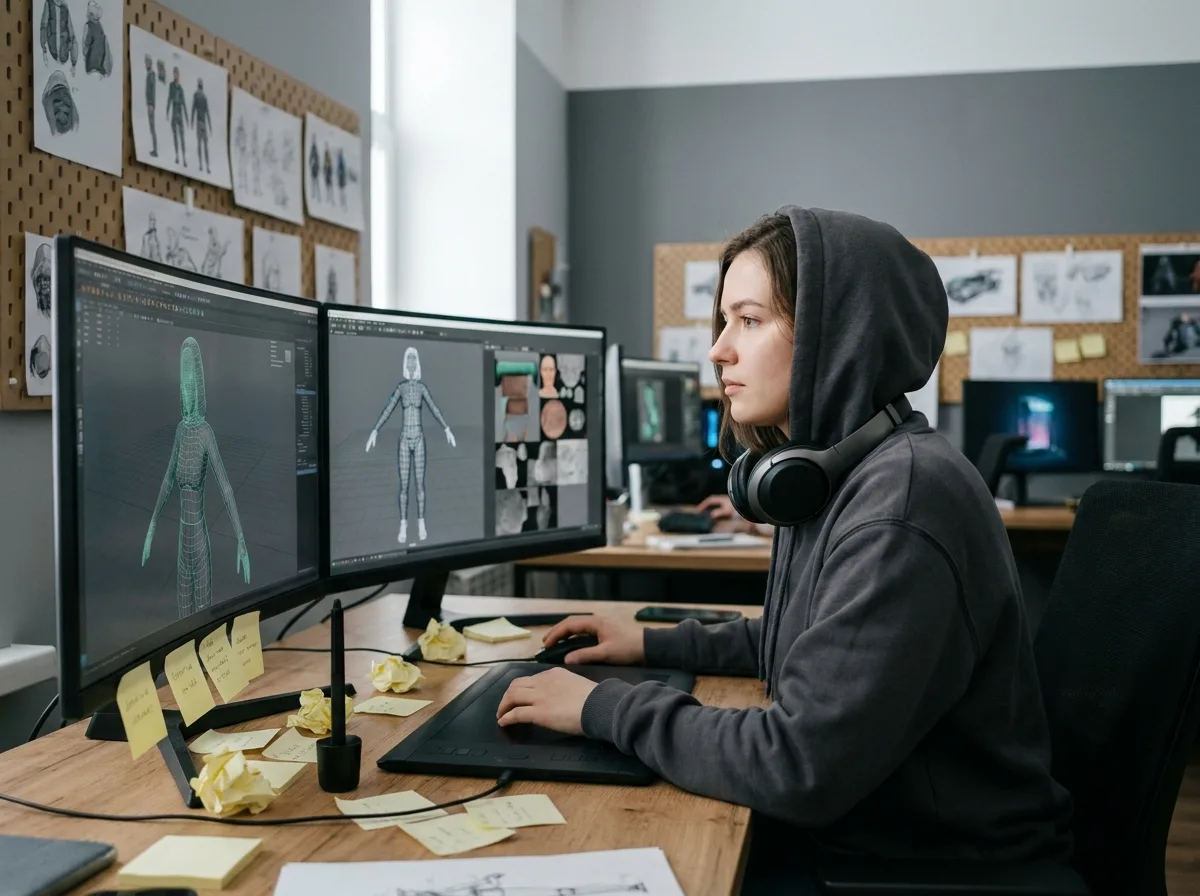
A program in 3D animation and special effects is not just a list of software. In 2026, curricula structure learning around specific skill blocks, from preparatory drawing to final compositing, now integrating hybrid workflows that combine real-time and artificial intelligence. Understanding the architecture of these programs allows us to gauge what separates an operational graduate from a talented self-taught individual.
3D Production Pipeline: The Backbone of the Curriculum
Before modeling any character, the programs teach the production pipeline, which is the complete chain that connects the storyboard to the final render. This sequential logic organizes the entire pedagogy.
Specifically, each step of the pipeline corresponds to a module: layout, modeling, texturing, rigging, animation, lighting, rendering, compositing. Students learn to deliver files that meet the expectations of the next link, just like in a professional studio.
This pipeline approach explains why the training takes several years. It is not about repeating the same exercises, but about raising the level of expectation at each step, project after project, until producing a complete short film at the end of the course. Anyone interested in a typical program in 3D animation and VFX for 2026 will find that this pipeline structure remains the common foundation for the majority of recognized schools.
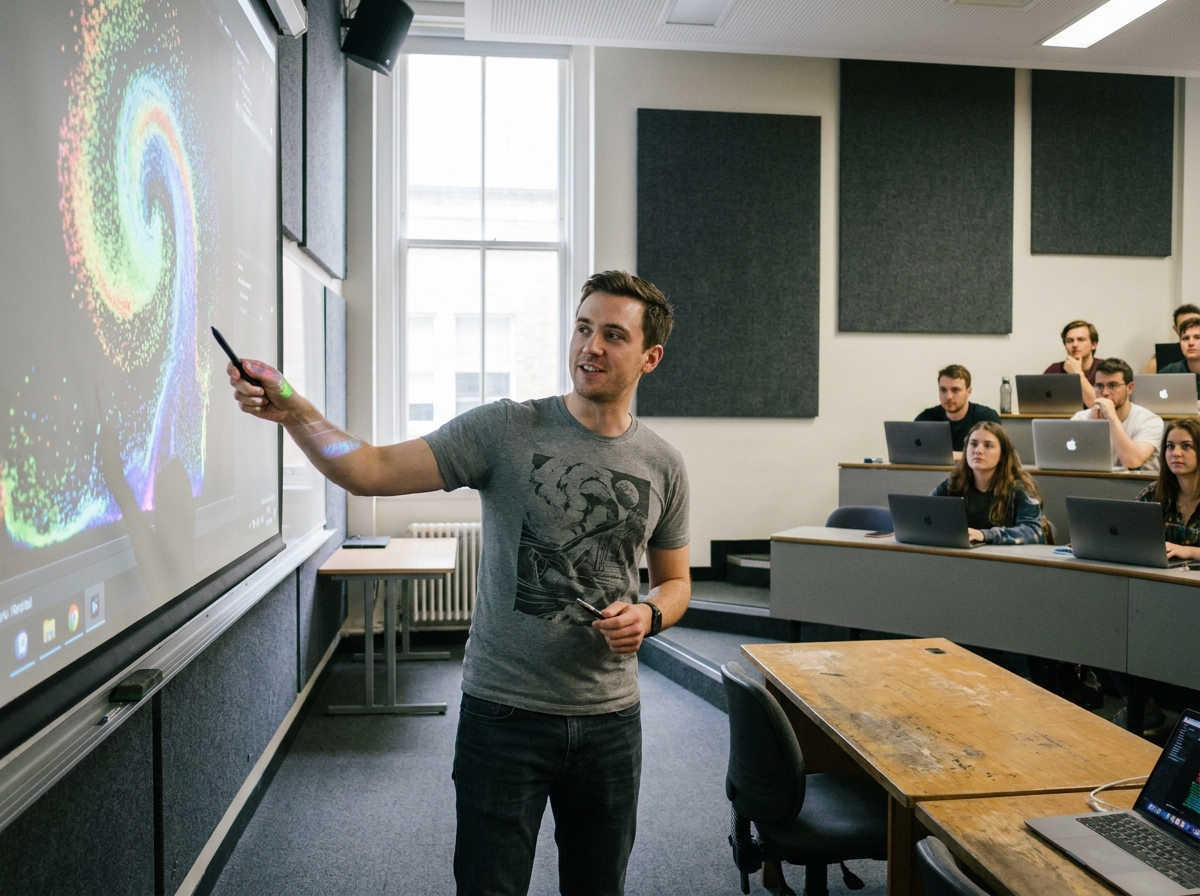
Artistic Foundation in the First Year: Drawing, Color, and Visual Storytelling
The first sessions do not touch on any 3D software. The artistic foundation plays a crucial role, often underestimated by candidates who want to “do Maya” right from the start.
Observation drawing and anatomy train the eye before the hand manipulates a digital tool. Perspective, image composition, color theory: these fundamentals condition the quality of everything that follows in modeling and lighting.
Visual storytelling also comes into play very early. Students work on storyboards, character design, and art direction. The goal is not to train illustrators but 3D artists capable of justifying every visual choice with a narrative intent.
Intermediate Technical Modules: Modeling, Rigging, and Animation
Once the artistic foundation is established, the program shifts to digital production. Three disciplines structure this intermediate phase.
- Modeling and digital sculpting: creating characters, environments, and props in volume. Students move from polygonal modeling to organic sculpting, with a focus on clean topology (mesh optimized for animation).
- Rigging: building the digital skeleton that makes a character animatable. This module combines technical logic and understanding of anatomy, as each joint must deform credibly.
- Character animation: principles inherited from traditional animation (weight, anticipation, arcs of movement) applied in 3D. Classes progress from walk cycles to acting, where the character expresses emotions through gestures.
These three blocks are interdependent. A poorly designed rig prevents the animator from working properly, and sloppy modeling produces aberrant deformations. Team projects impose this coordination from the second year onward.
Digital Special Effects and Compositing: Specializations at the End of the Curriculum
The final part of the program generally separates into two trajectories: pure 3D animation and visual effects (VFX). VFX modules cover fluid, particle, destruction, and cloth simulation. Compositing, which assembles all rendered elements into a coherent final image, constitutes the last technical step of the pipeline.
Lighting and rendering also increase in complexity. Students learn to manage heavy scenes, optimize calculation times, and produce photorealistic or stylized renders according to the project’s artistic direction.
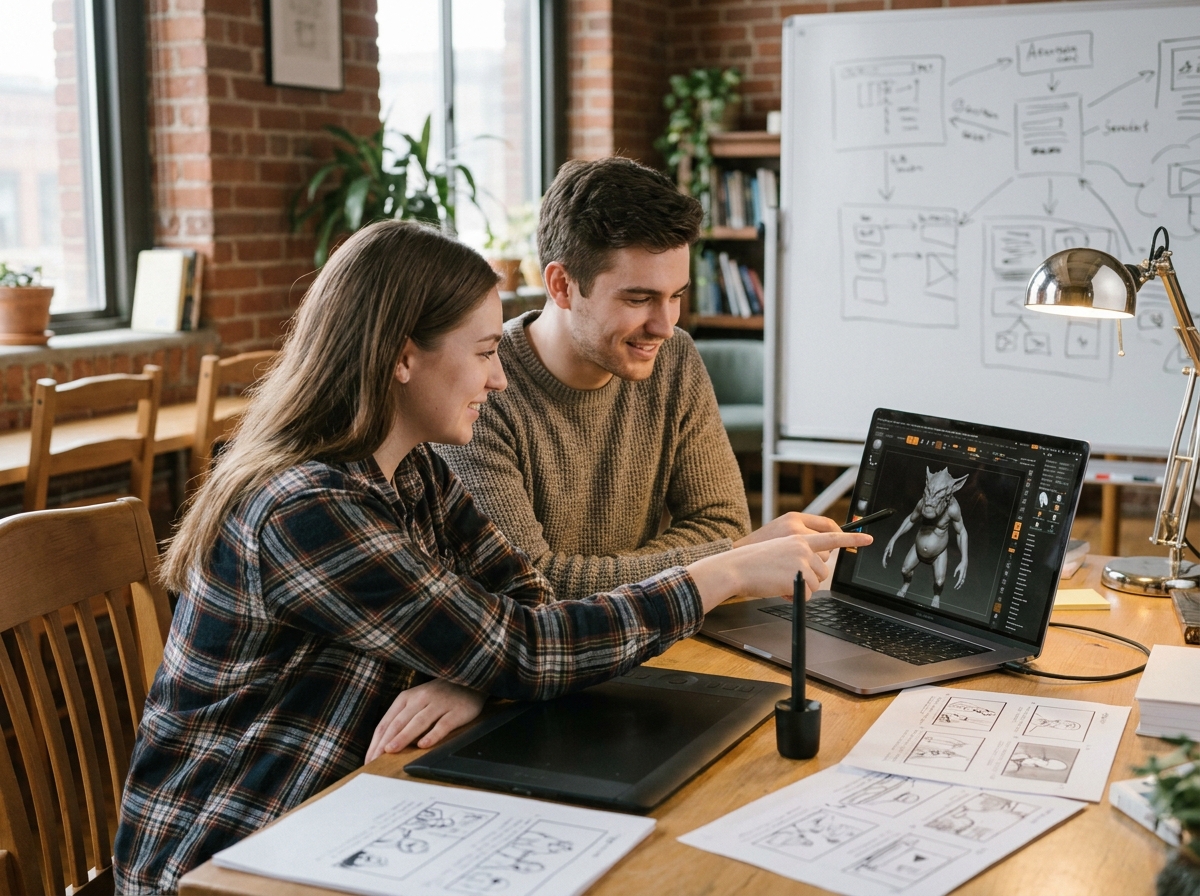
Generative AI and Virtual Production: What Changes in Programs in 2026
The most up-to-date curricula now incorporate modules dedicated to the critical use of generative AI in the production chain. The FMX 2026 conference program, a global reference for schools and studios, dedicates sessions to virtual production, hybrid real-time and AI workflows, and the automation of repetitive tasks in animation and VFX.
In practical pedagogy, this translates into learning automated layout tools, assisted texture generation, or rapid pre-visualization. AI does not replace fundamental skills, but students must know where to integrate it into the pipeline and where it degrades quality.
Virtual production (shooting with real-time backgrounds on a game engine) is also making its entrance. Schools participating in events like FMX adapt their educational content to reflect these new studio practices.
Final Year Short Film and Festival Pathways
The program culminates in the creation of a short film in teams, a project lasting several months that mobilizes all acquired skills. This graduation film serves as a professional calling card, and schools increasingly structure preparation for the festival circuit.
Students learn to create a selection dossier, pitch their project to a professional jury, and define a distribution strategy. ESMA, for example, regularly communicates about the selections of its 3D films in international festivals. The Collège de Bois-de-Boulogne in Quebec organizes an annual animation 3D graduation evening, which has become a local industry event.
This “festival and pitch” dimension did not exist in programs a few years ago. It reflects a market reality: a good demo reel is no longer enough; one must know how to defend a project from start to finish.
The typical program in 3D animation and VFX in 2026 remains rooted in the artistic and technical fundamentals of the production pipeline. What distinguishes it from previous generations is the integration of AI as a critical production tool and training for professional pathways beyond the studio, including festivals.