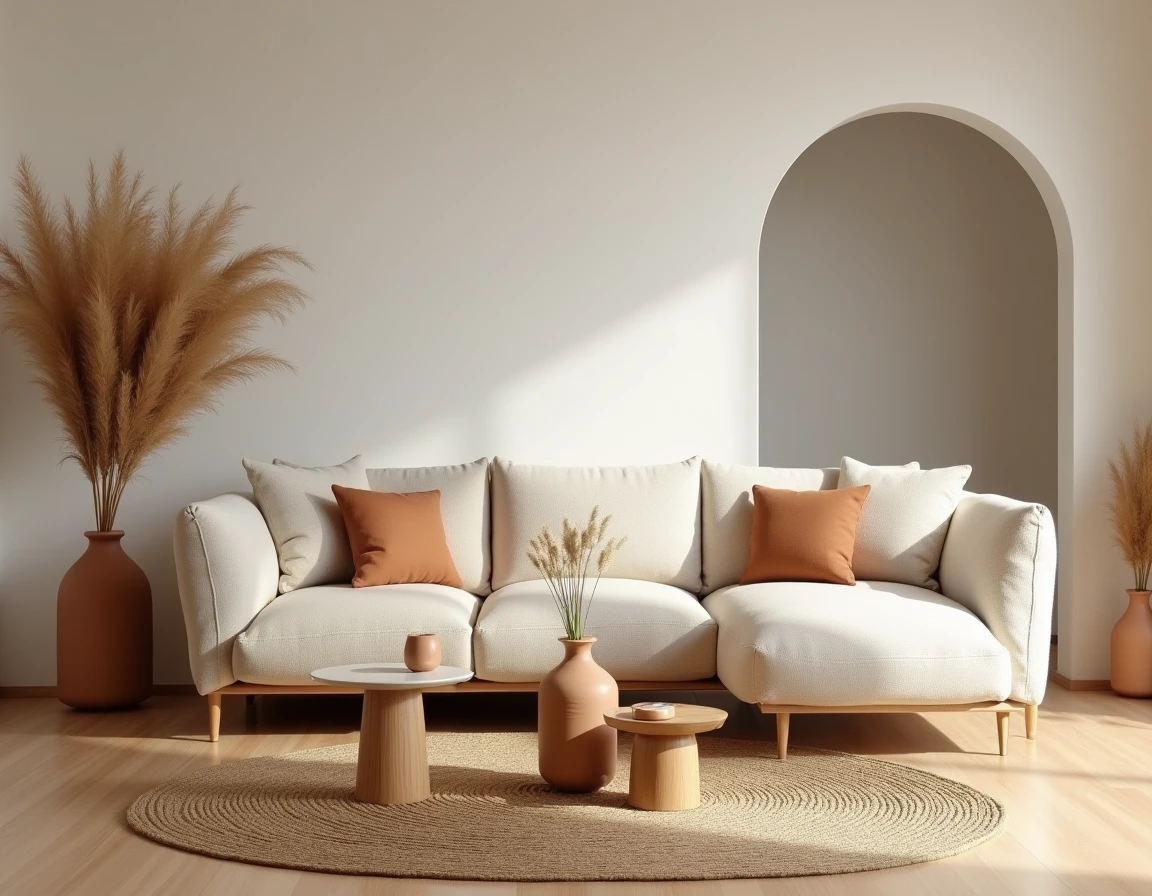
When renovating a living room or rethinking a bedroom, the first instinct is often to look for a wall color or a standout piece of furniture. In 2024, interior decoration trends go further: they touch on how we actually experience space, from wiring hidden in the baseboards to paints whose chemical composition has changed. Here are the key points worth considering before starting a project.
Low-VOC Paints and Independent Labels: What Changes for Your Walls in 2024
For years, the label “eco-friendly paint” on a can didn’t guarantee much. The recent shift comes from the manufacturers themselves. Dulux, Behr, and Sherwin-Williams now offer ultra-low emission ranges with third-party certifications like GreenGuard Gold or EcoLabel. The difference from a simple marketing claim lies in the audit: an independent organization measures volatile compounds after application, not just in the can.
In practical terms, if renovating a closed room (children’s bedroom, windowless office), these references reduce the necessary ventilation time after the work. These ranges can be found in specialized stores, but also with online retailers that detail technical sheets, for example on https://www.habitatexpo.fr/ where several housing and decoration sectors are represented.
The additional cost compared to conventional paint remains moderate. For a standard-sized living room, the difference in the total paint budget is often absorbed by the choice of finish (matte, satin, velvet) rather than by the label itself.

Invisible Home Automation: Hiding Technology to Free Up Walls
There is a lot of talk about smart homes, but the 2024 trend that truly transforms interior design is the visual disappearance of home automation equipment. Flush-mounted switches, speakers integrated into cornices, sensors housed in baseboards: the principle is to eliminate any visible boxes.
KNX and Zigbee protocols allow these devices to be connected without pulling additional cables through the walls. In renovations, existing electrical conduits are often used, supplemented by wireless modules behind outlets.
What This Changes in a Decor Project
Freeing a wall from switches and sensors means reclaiming surface area for a frame, a shelf, or simply empty space. In a small area (studio, narrow entryway), every centimeter of cleared wall alters the perception of volume.
Feedback varies on this point: some installers report that the initial setup takes longer than a conventional circuit, and that a malfunction requires software diagnostics rather than a simple button replacement. You gain in aesthetics, but lose a bit in maintenance simplicity.
Multipurpose Rooms and Reconfigurable Furniture for Daily Use
The trend for modular furniture is not new, but the demand has scaled up. Developers of co-living residences and student housing are documenting a marked increase in requests for truly multipurpose rooms with movable partitions and transformable seating. What was once reserved for micro-apartments is now reaching family homes.
Concrete Criteria for a Modular Living Room
Before buying a convertible sofa or an extendable table, check a few points to avoid disappointment:
- The transformation mechanism should be operable by one person in under a minute; otherwise, it won’t be used daily.
- Sliding partitions on a high rail are more stable than those on a low rail, which accumulate dust and blockages.
- A so-called “modular” piece with elements weighing more than fifteen kilos per module ceases to be reconfigurable in practice: you assemble it once and don’t touch it again.
Decor style also plays a role. Rounded shapes, prevalent in 2024 collections, adapt better to versatility than angular furniture that imposes a fixed layout.
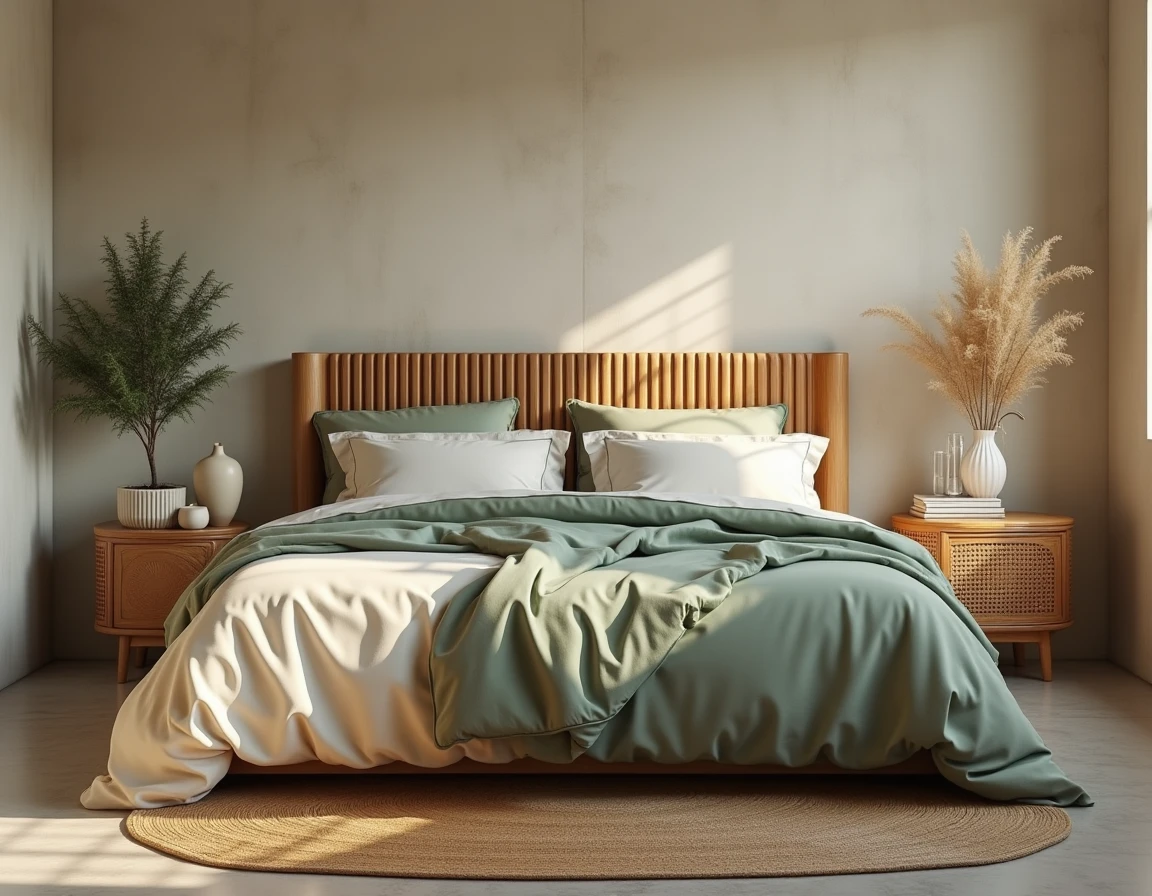
Colors and Wood Materials: The 2024 Interior Decoration Palette
Soft colors dominate this year’s color charts. Earthy tones, muted greens, and warm beiges evoke the wabi-sabi style without falling into a dull monochrome interior. Wood in light, matte shades dresses floors and furniture, with a preference for oiled finishes rather than varnished ones.
Patterns do not disappear, however. They are concentrated on a single wall or a single textile element (curtain, rug) to avoid visual saturation. This approach works particularly well in a living room where the rest of the furniture remains understated.
Combining Natural Materials and Vintage Pieces
The mix of natural materials (linen, rattan, stone) with thrifted or vintage furniture creates a contrast of textures that new industrial surfaces do not replicate. You can integrate a 70s armchair into a minimalist space as long as you follow a simple rule: limit strong pieces to two per space so that each can breathe.
A raw wood tabletop paired with black metal legs, a weathered brass light fixture above a light stone countertop: these combinations work because they oppose materials without multiplying colors.
Interior design in 2024 is less about a unique style and more about technical and material choices that combine piece by piece. A certified paint, a disappearing switch, a piece of furniture that can truly be moved: these operational details distinguish an updated interior from one that is simply repainted.