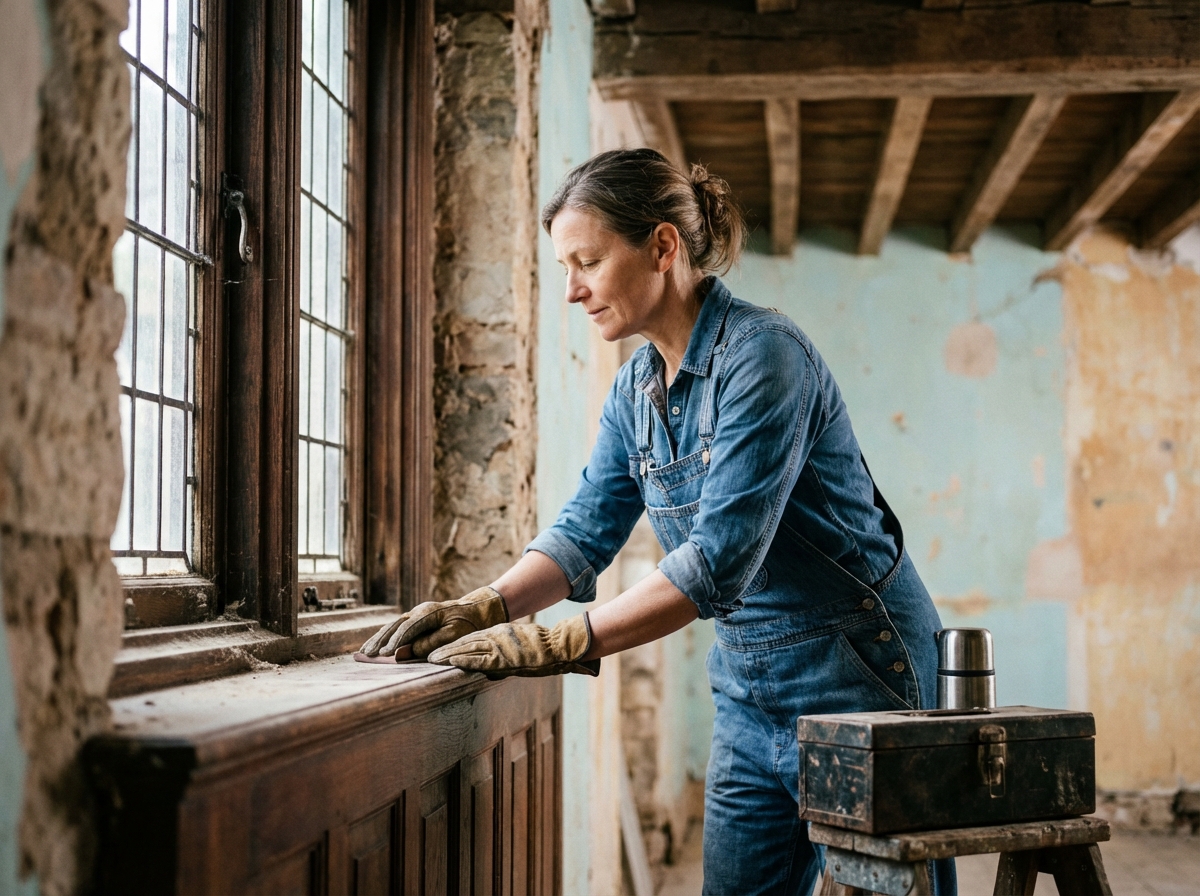
The use of contemporary materials in the renovation of old structures often exposes unsuspected chemical and mechanical incompatibilities. Some solutions that are now considered eco-friendly do not always prove suitable for the structural or heritage specifics of buildings dating from before the 20th century.
Regulations are evolving rapidly, imposing new requirements for energy performance and heritage preservation. Property owners and craftsmen thus face a dual challenge: to preserve authenticity while addressing current environmental issues.
Renovating an old building without compromising its health or that of the planet: current state and challenges
Restoring an old building has never been an ordinary adventure. Sensitive to the slightest intervention, this structure breathes to the rhythm of a long history. Respecting the health of occupants and the ecological balance of the work primarily requires a precise understanding of the original materials. Standardizing renovation risks disrupting the walls’ breathing, trapping moisture, and causing mold or deterioration much faster than expected. The real challenge is to reconcile yesterday’s structure with today’s ecological ambitions, without missteps.
Enhancing insulation, replacing windows—these actions are not enough. Special vigilance is required regarding health risks; lead, moisture, and sometimes asbestos still loom in many walls. Turning to a northern asbestos removal carried out by a certified team becomes the only responsible choice: only specialists can eliminate these pollutants without compromising the historical value of a building.
French legislation, supported by the architects of historic buildings, strictly regulates any initiative for heritage renovation. Whether it is a village house, a downtown building, or a classified structure, each project must finely adapt to the identity of the old building. What matters is the rigorous observation of constraints, the careful selection of methods, and the management of the health of users as well as that of the planet.
Which eco-friendly materials should be prioritized to respect the authenticity and constraints of old buildings?
Rehabilitating an old building is never just a matter of simple modernization. Each choice of materials impacts the longevity of the whole and directly influences interior comfort. Between stone, rammed earth, and timber framing, walls require solutions capable of supporting their natural exchanges with air and moisture. Here, the key remains the management of water vapor: preserving this wall breathing is essential to prevent rising damp and recurring disorders.
Lime renders are considered a reference. Their flexibility and ability to allow vapor circulation respect the spirit of the building while sustainably protecting the structure. On a stone facade or a rammed earth wall, lime highlights the original material without betraying it. Rammed earth is making a strong comeback among artisans committed to environmental respect, thanks to its moisture-regulating and insulating properties. As for wood, it retains its place for floors and frameworks, provided that local and untreated species are prioritized.
To navigate this, here are some concrete principles for making the right choices:
- Consider compatibility: combining a modern material with an old structure requires vigilance. Favoring natural lime over cement, which is often too impermeable, avoids many mishaps.
- On the insulation side, opting for cork panels or plant fibers like hemp or flax respects the walls’ breathing and ensures lasting comfort for occupants.
Staying true to a handcrafted approach, using a trowel or float to apply the renders, extends the gestures of the past and reduces environmental impact. Natural materials chosen for their robustness, low carbon footprint, and health respect are the allies of successful and sustainable renovations.
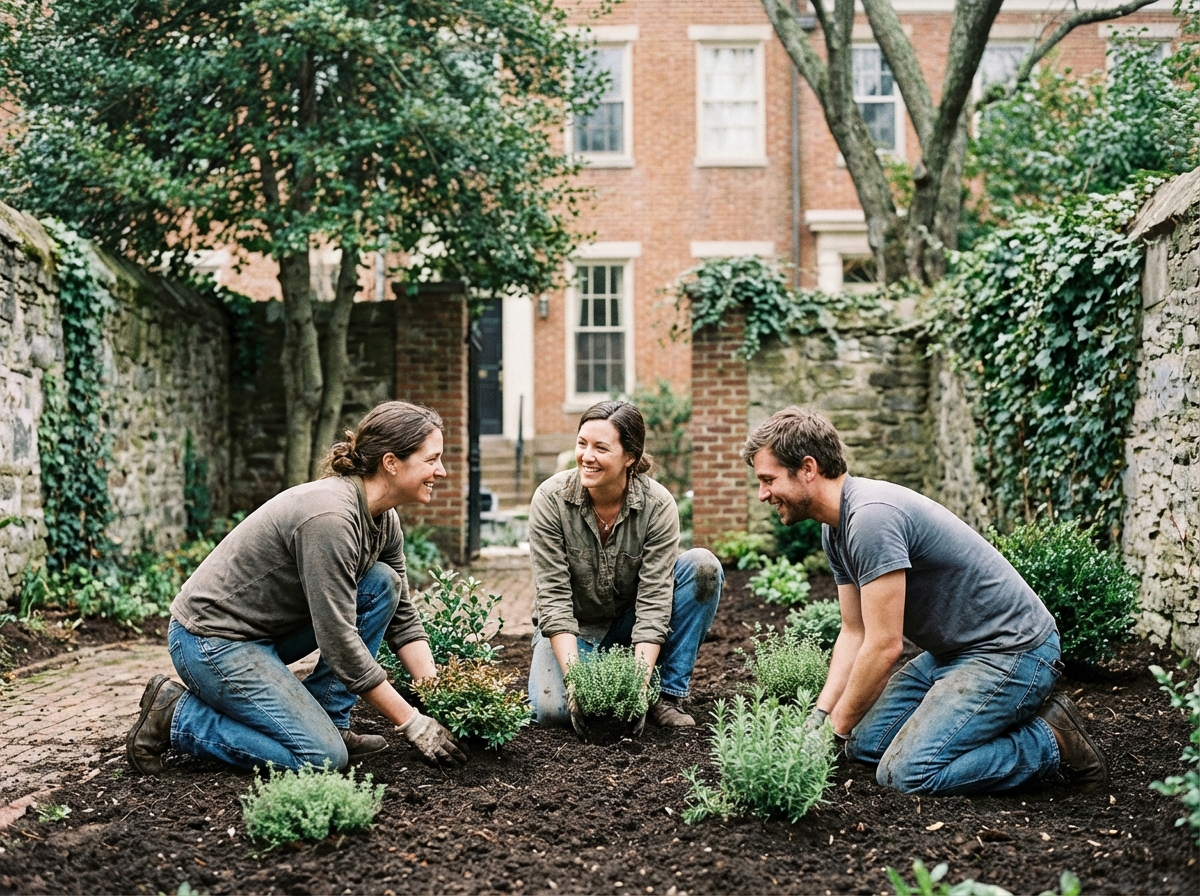
Environmental impacts, savings, and regulatory framework: what sustainable renovation really changes
When approaching the energy renovation of an old building with care and method, the relationship between heritage and ecological transition transforms. Project after project, the carbon footprint lightens, resource needs decrease, and the durability of the existing structure makes complete sense. The savings made on insulation and better ventilation management quickly translate into comfort and reduced bills for occupants.
The legal context, especially in the case of historical monuments or protected buildings, should never be overlooked. Recent rules focus on preserving architectural identity while pushing renovations towards greater energy efficiency. Between thermal regulations adapted to unclassified buildings and the analysis by the Architects of Historic Buildings in preserved areas, improvisation is impossible.
To guide oneself, some practical benchmarks deserve to be clarified:
- Energy savings can reach 40% in cases of serious renovation, with figures supported by field data.
- Renovating the old helps curb urban sprawl and revitalize city centers, rather than consuming increasingly scarce land.
- Assistance programs exist, from tax credits to targeted local subsidies or specific measures for classified buildings.
Choosing sustainable renovation means betting on the health of all, on the preservation of inherited beauty, and on reducing environmental footprints. This collective movement engages each of us, whether we are property owners, local elected officials, or craftsmen. An old house transformed can then serve as a bridge between the centuries gone by and the concern for a living planet for those who will come.